




Across online forums and industry discussions, Salesforce.com customers are voicing strong dissatisfaction — and the volume of complaints is growing. If the frustrations below sound familiar, you are far from alone.
Hidden costs inflate the true total cost of ownership far beyond the advertised price. Mandatory add-ons, storage fees, implementation charges, and annual contract escalations make Salesforce.com's real cost a recurring shock — particularly at renewal time when negotiating leverage disappears.
Salesforce.com's steep learning curve is one of the most consistently cited pain points among users. Teams that struggle to navigate the platform simply stop using it — driving low adoption rates that erode the value of every dollar invested in the CRM subscription and implementation.
Salesforce.com support is widely reported as slow, impersonal, and insufficient — especially for small and mid-sized businesses. When issues go unresolved for days while chatbots respond with scripted non-answers, business operations suffer and frustration compounds with every failed ticket.
Frequent downtime and reliability issues affect business operations at the worst possible moments — during demos, quarter-end pushes, and critical customer escalations. When a CRM platform that businesses depend on for revenue operations goes down without warning, the cost is far more than inconvenience.
Salesforce.com's aggressive sales culture is a frequently cited pain point for both prospective and existing customers. Renewal conversations often feel adversarial rather than collaborative — with upselling pressure replacing the consultative partnership that businesses signed up expecting to receive.
Salesforce.com's contract structures and data portability restrictions are designed to make leaving feel complex and costly. Businesses that want to switch face deliberate obstacles — restrictive export formats, long notice periods, and account managers whose incentive is to prevent the departure rather than address the underlying problem.
Since 2002, Salesboom has been delivering enterprise-grade CRM software to businesses across more than 160 countries — without the complexity, arrogance, or hidden costs that define the Salesforce.com experience. As one of the top Salesforce.com competitors, Salesboom offers a superior platform businesses can actually adopt, use daily, and grow with.
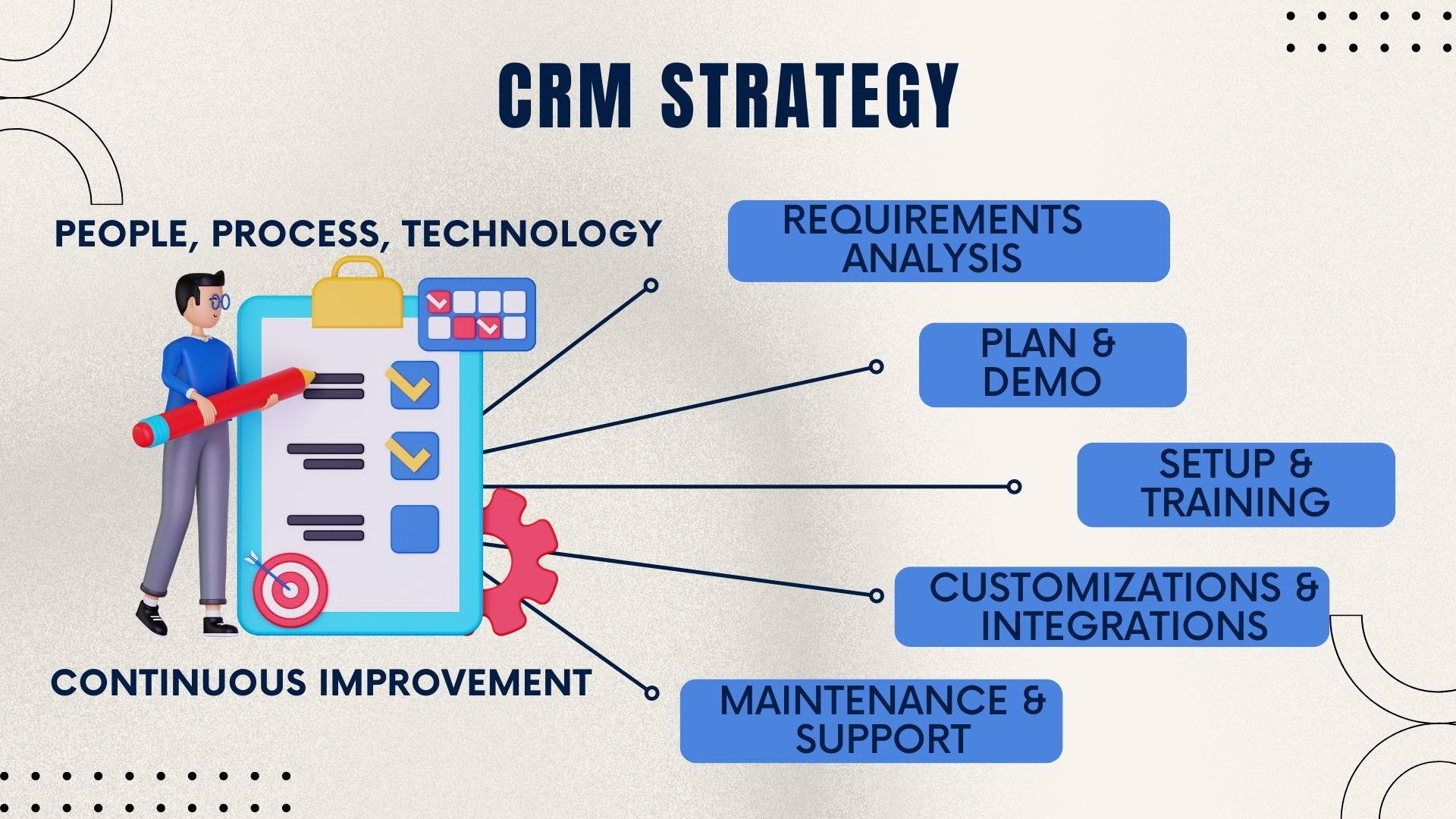
Salesboom's fully featured CRM platform covers every capability that growing businesses need, delivering a robust Salesforce.com alternative without the complexity or inflated cost. Here's what you gain the moment you switch.
Evaluating Salesforce.com competitors means looking beyond features alone. Price, support quality, ease of use, and long-term partnership all matter. Here is how Salesboom compares directly on the dimensions that affect your business most.
Salesboom offers predictable monthly pricing from $14/user with no hidden fees or surprise add-ons. Salesforce.com is widely criticized for inflated total costs driven by expensive add-ons, implementation fees, and mandatory annual contracts that escalate aggressively at renewal.
Salesboom consistently earns high user adoption rates because the platform is built for actual users, not administrators. Salesforce.com's complexity is a top complaint — many businesses pay for licenses that go unused because the platform is simply too difficult for frontline teams to navigate daily.
Salesboom provides 24/7 access to real CRM specialists who know your account and your configuration. Salesforce.com support is frequently rated as slow, impersonal, and insufficient — particularly for the small and mid-sized businesses that represent the majority of CRM buyers globally.
Salesboom's open approach lets you own your data and exit on your own terms — no hostage situations, no exit fees, no proprietary export formats designed to make leaving painful. Salesforce.com's contracts and data portability restrictions make leaving unnecessarily complex and costly for businesses that have outgrown the platform.
Salesboom's sales team takes a consultative, non-pushy approach focused on finding the right fit for each business. Salesforce.com's aggressive sales culture — where renewal conversations often feel adversarial — is a frequently cited reason that businesses begin evaluating Salesforce.com competitors in the first place.
Salesboom serves 3,500+ businesses across 160+ countries since 2002. This depth of experience means Salesboom understands diverse business needs across industries and geographies — and has the institutional knowledge to support companies through growth, expansion, and changing requirements without requiring re-implementation.
Salesboom has identified the most common questions that signal a business is ready to move on from Salesforce.com. If any of these resonate, it's time to seriously evaluate your alternatives.
As the largest web-based CRM provider, Salesforce.com's behavior shapes how the entire industry is perceived. Salesboom believes that healthy competition is essential — and has been providing it since 2002.
When strong Salesforce.com competitors exist, all vendors are forced to improve product quality and customer experience to retain business. Salesboom's presence in the market since 2002 has consistently raised the bar for what businesses should expect from their CRM provider — on pricing, support, and usability.
A market dominated by a single vendor creates pressure that always flows downhill to the customer — in the form of inflated pricing, reduced service, and contractual terms that prioritize vendor profit over customer success. Salesboom gives businesses a genuine, enterprise-grade alternative that keeps that pressure in check.
When viable competitors price CRM software at $14 per user per month with no hidden fees, it makes it harder for any vendor to sustain artificially inflated pricing models. Salesboom's transparent pricing philosophy benefits not only Salesboom customers but the entire market by establishing a fair reference point for CRM value.
No single vendor should hold undue power over business-critical customer data. Salesboom's open data policies ensure that the businesses relying on its CRM always have the right and the ability to access, export, and migrate their own data — reinforcing the principle that your data belongs to you, not your software vendor.
The most common reason businesses delay switching CRM platforms is fear of data loss and operational disruption. Salesboom's Magic Migration Button and guided migration process directly eliminate that risk — with full data integrity checks, dedicated specialist support, and a confirmed go-live date that keeps the transition on track.
Salesboom's growth since 2002 has been built on trust, reliability, and the kind of service that turns customers into long-term partners. Unlike Salesforce.com, where post-sale engagement often diminishes after the contract is signed, Salesboom's relationship with each customer deepens over time — because retention is earned, not enforced by lock-in.
Here are the most common questions from businesses evaluating Salesforce.com competitors and considering a move to Salesboom as their long-term CRM platform.
Discover how Salesboom's platform covers dashboard reporting, billing automation, migration guidance, sales management, and detailed price comparisons — all resources to help you make the most confident CRM decision possible.

Salesboom's role-based dashboard reporting outperforms Salesforce.com with one-click drill-down and real-time personalized views — visible on every user's homepage from the moment they log in. Explore Dashboard Reporting and see how Salesboom's reporting capabilities compare directly to what Salesforce.com offers.

Salesboom's Sales Management Software gives managers real-time pipeline visibility, rep performance tracking, and AI-driven forecasting in one platform — at a fraction of Salesforce.com's cost. Explore Sales Management Software and see how it replaces the multiple Salesforce.com modules your team currently navigates daily.

Find the right Salesboom edition for your team size, budget, and use case — from Team through Enterprise. The edition comparison maps every capability across tiers so there are no surprises about what's included. View the CRM Edition Comparison before beginning your evaluation of Salesforce.com competitors.

Evaluating desktop contact managers alongside cloud alternatives? The Salesboom vs ACT! comparison covers total cost of ownership, real-time collaboration features, and the migration path from ACT!'s desktop architecture to a fully web-based CRM. Read the Salesboom vs ACT! comparison before finalising your platform decision.

Ready to make the move? The Salesboom migration guide covers the complete transition process — from contract audit and data export through the Magic Migration Button and 10-step implementation. Explore Migrating from Salesforce and discover how fast and disruption-free the process can be when it's guided by real CRM specialists.

When Salesforce.com's true cost is laid out against alternatives — including add-ons, support tiers, and implementation fees — the gap becomes decisive. View the CRM Price Comparison for a full total cost of ownership breakdown across Salesforce.com, Salesboom, and other leading platforms before making your final decision.

Salesboom's billing and invoicing automation connects quotes, contracts, and payments directly inside the CRM — eliminating the manual revenue cycle steps that Salesforce.com users typically manage through separate tools. Explore Billing and Invoicing Automation and see what becomes possible when your financial workflows live inside your CRM.

Salesboom's inventory management capabilities connect stock visibility directly to your sales pipeline — giving sales teams the product availability data they need inside the same CRM they use to manage deals and customer relationships. Explore Inventory Management and see how it integrates into the platform your team will use every day.

Automate recurring billing, subscription management, and multi-currency invoicing entirely within the CRM — giving your finance and sales teams a unified view of revenue, outstanding invoices, and payment status. Discover advanced Billing Automation capabilities in Salesboom and how they scale with your business as it grows beyond what Salesforce.com's native billing tools can support.
Join 3,500+ businesses that chose Salesboom as their Salesforce.com alternative. Start your free trial or book a demo and see how easy the switch can be.
Speak with a CRM specialist: 1-855-229-2043 | sales@salesboom.com
Discover powerful CRM editions to scale your business efficiently.
A complete CRM suite with Marketing Automation, ERP integration, and Support tools — built for performance and value.
Explore ProfessionalFor large enterprises — automate workflows, unify data, and leverage analytics to drive strategic growth.
View EnterprisePerfect for small teams starting with CRM — manage leads, track sales, and boost productivity with simplicity.
Discover Team