



Discover how 4,000 years of relationship management evolved into today's AI-powered Revenue Lifecycle Management platform—and why Salesboom stands at the frontier of what comes next.
Years Leading Innovation
Businesses Transformed
Countries Served
The history of Customer Relationship Management is not a story of software. It is a story of commerce itself.
For centuries, managing customer relationships meant manual record-keeping, disconnected data, and reactive processes. Early merchants in Mesopotamia recorded transactions on clay tablets—primitive by today's standards, but driven by the same goal: tracking who bought what, when, and how much.
The consequences of static, siloed CRM have been consistent across every era:
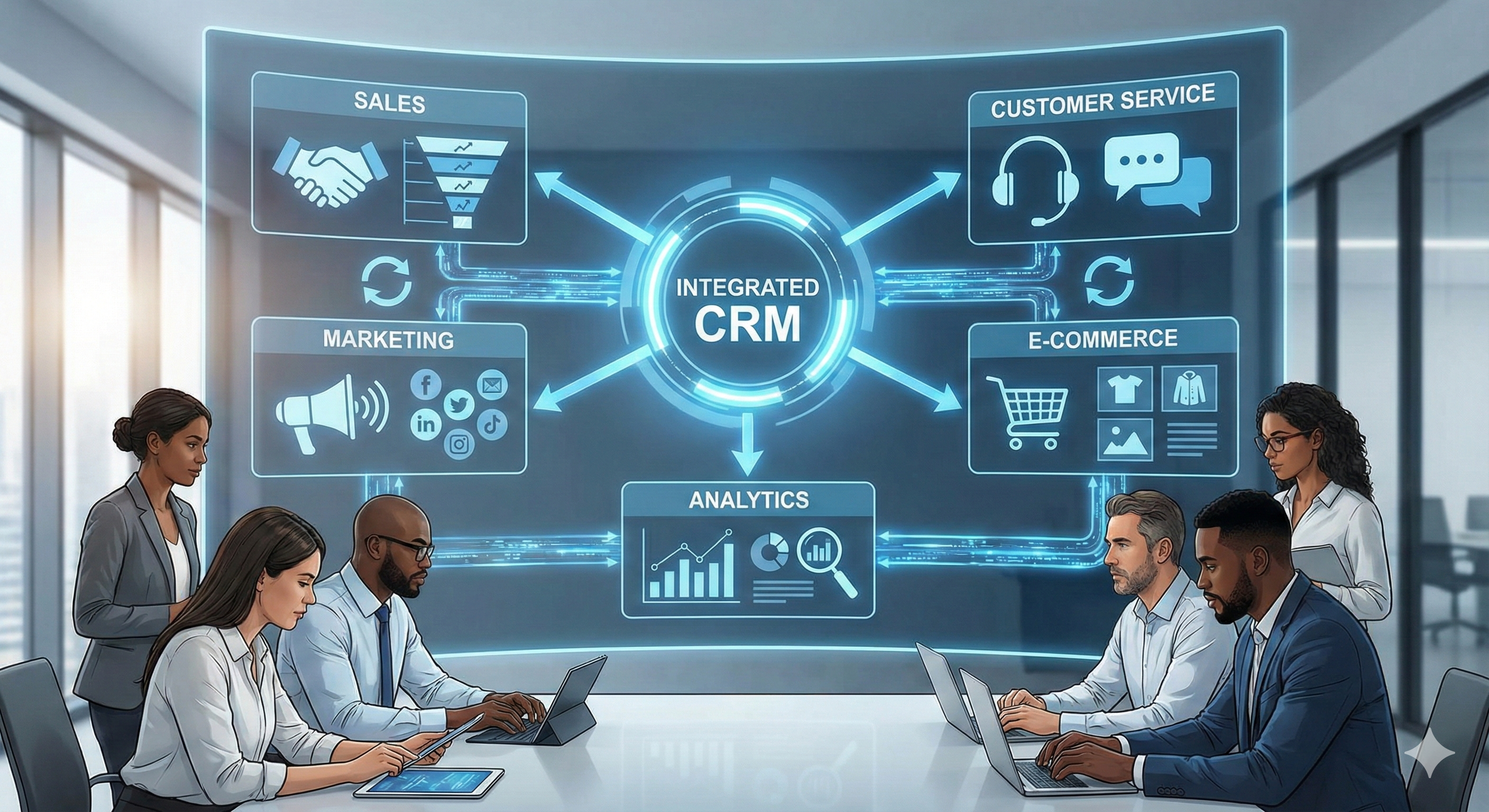
Each generation of CRM solved part of the problem—but left a bigger one behind. Today's AI-powered Revenue Lifecycle Management platform is the answer to every gap that came before it.
CRM has always evolved alongside commerce. Understanding these four eras reveals why the next generation of intelligent CRM is not just an upgrade—it is a fundamental reimagination of how businesses grow.
The earliest merchants documented transactions manually. The goal was simple: track what was sold, who bought it, and when. These systems were static, reactive, and archival.
CRM in this era answered one question: "What happened?"
Systems were built for memory, not strategy. There was no analysis, no prediction, no workflow—only storage. Businesses were entirely dependent on human recall and paper-based records to manage customer relationships at scale.
In the 1990s, CRM emerged as software—primarily as contact databases and sales tracking tools. For the first time, businesses could digitize their customer records and manage pipelines in structured systems.
However, major barriers remained:
CRM now answered: "Who are our customers?"—but it still couldn't tell you what to do about it.
The introduction of the Application Service Provider (ASP) model fundamentally shifted CRM economics. Instead of buying licenses, installing servers, managing upgrades, and funding infrastructure, businesses could simply subscribe.
The results were transformational:
This democratization of CRM marked a structural turning point. Salesboom emerged in this era as a Canadian cloud pioneer, helping small and medium businesses access enterprise-grade CRM without enterprise-level cost or complexity.
We are now entering the fourth and most transformative era of CRM: the Cognitive, AI-Driven Revenue Operating System.
The future of CRM is not about storing data. It is about activating it. Modern businesses can no longer afford platforms that simply record what happened. They need systems that predict what will happen, orchestrate the response, and continuously optimize outcomes.
The Revenue Lifecycle Management platform answers:
Salesboom's AI-driven platform represents the full realization of what CRM was always meant to become—an intelligent operating system for the entire revenue lifecycle.
Embedded intelligence that drafts responses, summarizes calls, suggests next actions, and autonomously updates records—freeing professionals to focus on relationships, not data entry.
AI-driven forecasting analyzes historical patterns, deal velocity, and market signals to generate accurate revenue projections with confidence intervals.
Eliminate data silos forever. Quotes become orders automatically, inventory updates in real time, and finance sees pipeline accuracy without middleware.
Unified communication across email, SMS, social media, and voice—with AI detecting sentiment and triggering intelligent workflows based on customer behavior.
AI analyzes every interaction to identify upsell signals, churn risk, and expansion opportunities that humans would miss—turning service into a revenue driver.
AI agents execute complex multi-step processes automatically—from lead nurturing to service escalation—with human oversight only when needed.
Over two decades of continuous innovation, democratizing enterprise intelligence for businesses of every size.
Cloud-native from inception in 2003—not a legacy vendor retrofitting AI onto outdated architecture
True integration of CRM, ERP, AI, and collaboration—no middleware, no data silos, no patchwork solutions
Enterprise-grade capabilities starting at $14/user/month—making AI-driven CRM accessible to growing businesses
Industry-specific templates and proven methodology get teams operational in weeks, not months
Complete audit trails, role-based controls, and compliance frameworks built into the foundation
3,500+ businesses across 159 countries—supported by real CRM specialists, not chatbots
Every feature, every workflow, every integration reflects 22+ years of learning what businesses actually need—not what vendors want to sell.
From $14/user/month with predictable costs and no hidden fees. Export your data anytime. Switch platforms if needed. No proprietary formats. No exit penalties.
Compare this to legacy vendors who trap customers with complex licensing, mandatory consulting, and data portability restrictions.
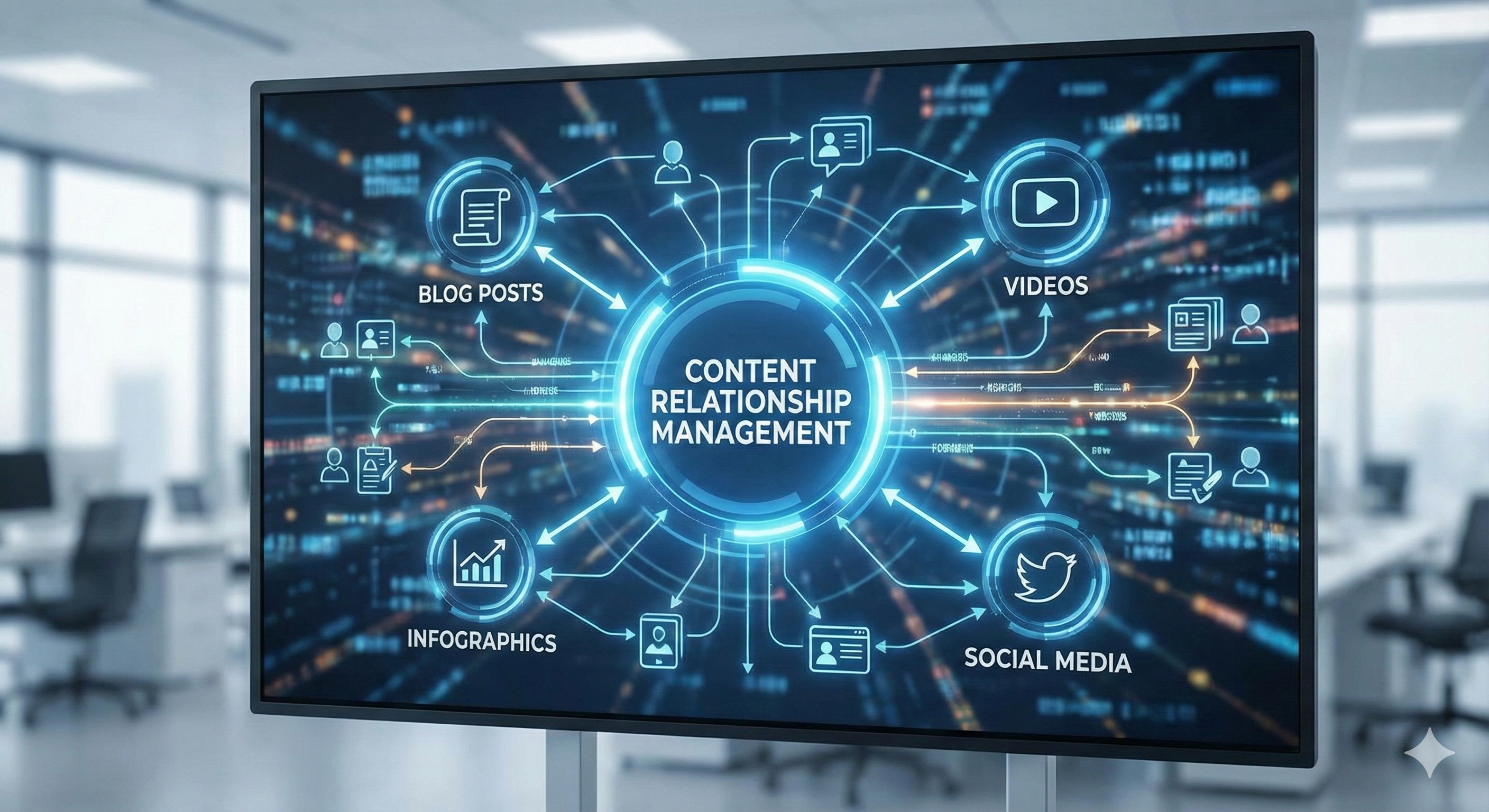
Quarterly AI feature releases, automatic updates, and new capabilities delivered at no additional cost. While legacy vendors charge for upgrades and new modules, Salesboom includes innovation in your subscription.
Your platform stays current without expensive upgrade projects or forced migrations.
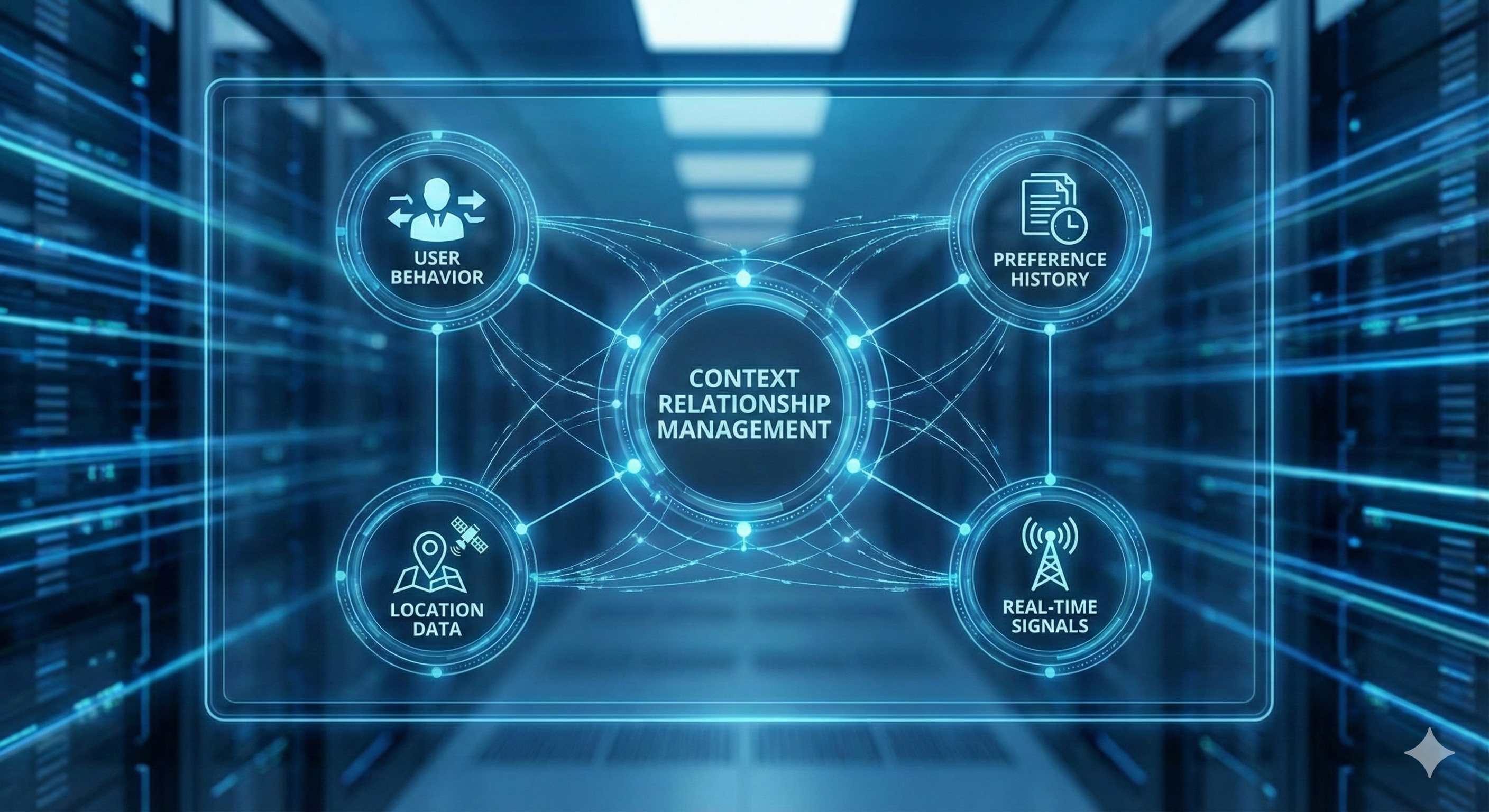
From the democratization of cloud CRM in the early 2000s to the AI-driven revenue platforms of today, scalability has always been the defining challenge.
Scalability features built into the architecture:

Whether you are a growing startup accessing enterprise CRM for the first time, or an established enterprise consolidating a fragmented tech stack, the platform adapts to your trajectory.
The most common questions businesses ask when evaluating the next generation of CRM technology—answered directly.
Traditional CRM focuses on recording customer interactions and managing pipelines. Revenue Lifecycle Management (RLM) goes further—it connects every stage of the revenue cycle, from initial marketing contact through sales, service, and renewal, on a single unified platform. Where CRM asks "Who are our customers?", RLM asks "How do we maximize the lifetime value of every customer relationship?" Salesboom's unified platform delivers both in one system.
Salesboom has been a cloud CRM pioneer since 2003—over 22 years of continuous innovation. Unlike newer vendors built on AI capabilities without deep CRM expertise, Salesboom combines two decades of implementation experience with a forward-looking AI architecture. The result is a platform that is both battle-tested and genuinely intelligent, trusted by 3,500+ businesses across 159 countries.
Salesboom was founded specifically to democratize enterprise-grade CRM for small and medium-sized businesses. Pricing starts at $14/user/month with no hidden fees. The platform scales from 5 to 5,000 users without architectural changes, and Fast Track implementation methodology gets teams operational quickly without long, expensive deployments. Growing businesses and established enterprises both find the platform adapts to their stage.
Salesboom's AI is designed to augment human judgment, not replace it. The AI Copilot surfaces insights, drafts responses, and suggests next-best actions—but the agent or sales professional makes the final decision. Predictive analytics flag risks and opportunities, but experienced teams act on them with full context. The goal is to eliminate administrative burden so your people can focus entirely on relationships, which remain irreplaceable by any technology.
Salesboom offers a Fast Track implementation methodology designed to get core CRM functionality operational within weeks, not months. Industry-specific workflow templates reduce configuration time significantly. Implementation timelines vary by organizational complexity, but Salesboom's model is built around minimizing disruption while maximizing adoption—with real CRM specialists (not chatbots) guiding your team through every stage of the process.
Salesboom's cloud infrastructure is built on a compliance-first, security-by-design architecture. Complete audit trails, role-based access controls, and automated documentation support regulatory compliance across industries. Data sovereignty requirements are addressed through secure, sovereign cloud infrastructure. For specific compliance certifications relevant to your industry or region, Salesboom's team can provide a detailed security briefing during the evaluation process.
Join 3,500+ businesses already operating on the next generation of intelligent CRM. Book a personalized demo and see how Salesboom turns your customer data into a revenue engine.
Call: 1-855-229-2043 | Email: sales@salesboom.com
Discover powerful CRM editions to scale your business efficiently.
A complete CRM suite with Marketing Automation, ERP integration, and Support tools — built for performance and value.
Explore ProfessionalFor large enterprises — automate workflows, unify data, and leverage analytics to drive strategic growth.
View EnterprisePerfect for small teams starting with CRM — manage leads, track sales, and boost productivity with simplicity.
Discover TeamLearn how CRM prioritizes customers, shapes future strategy, and drives long‑term business excellence at Salesboom.
Explore why CRM customers really matter and how customer focus drives strategic growth.
Learn about the future of CRM and how CRM innovation will shape customer relationships.
Visit the Salesboom company page to learn about our mission and core values.
Discover how return on customer strategies help grow satisfaction and long‑term revenue.
Explore investor insights at SMB CRM software investors info and growth opportunities.
Understand common pitfalls and strategies in top reasons CRM failures to turn challenges into success.
Discover how Salesboom understands your business needs and designs solutions for operational excellence.